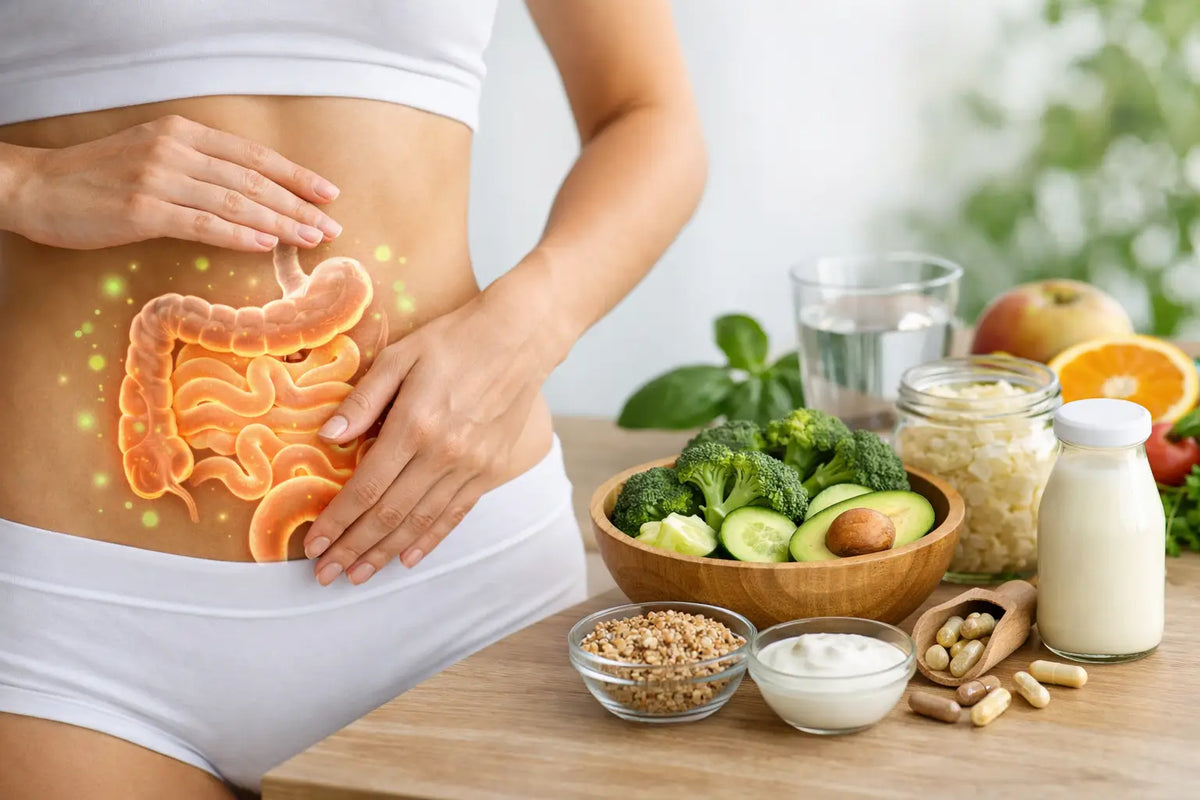
Your gut doesn't just process meals. Its lining helps decide daily which substances from the intestinal contents are selectively absorbed into the body and which remain outside. This guide to a healthy gut barrier shows which habits can effectively support this natural protective function – without strict rules, detox promises, or complicated diet plans.
What the Gut Barrier Actually Does
The gut barrier is a highly active interface between the intestinal contents and the body. It consists of the intestinal mucosa, a protective layer of mucus, tightly connected intestinal cells, and the local immune system. The billions of microorganisms in the gut also play a role: they process food components and form metabolic products that influence the environment of the mucous membrane.
A well-functioning gut barrier is permeable, but selective. Nutrients, water, and minerals should be able to pass through. Potentially undesirable components such as pathogens or larger molecules should be captured as effectively as possible. Therefore, the idea of a completely "sealed" gut is not the goal. It's about a regulated, natural protective function.
If this balance is disturbed, it can have various causes: acute gastrointestinal infections, a very one-sided diet, persistent stress, high alcohol consumption, certain medications, or chronic inflammatory diseases. However, non-specific symptoms such as bloating or fatigue do not prove a disturbed gut barrier. They deserve attention but are no reason for self-diagnosis.
Guide to a Healthy Gut Barrier: The Basics
The most influential factor is rarely a single food. What you consistently eat, drink, and live over weeks is crucial. Particularly valuable are a variety of plant-based foods, sufficient fluids, and fiber intake that suits your daily life and tolerance.
Fiber Feeds More Than Your Digestion
Fiber consists of indigestible carbohydrates from plant-based foods. A part of it is fermented by bacteria in the large intestine. This produces short-chain fatty acids, including butyrate. This substance serves as an energy source for cells of the large intestinal mucosa and is a good example of why nutrition, microbiome, and barrier function belong together.
The German Nutrition Society recommends at least 30 grams of fiber per day for adults. In practice, many people's intake is significantly lower – not due to a lack of knowledge, but because breakfast, lunch, and snacks in daily life often contain too little whole grains, legumes, vegetables, fruits, nuts, and seeds.
The pace is important. If you have been eating a low-fiber diet, you should not add large quantities overnight. Increase gradually over one to two weeks and drink enough fluids. Temporarily increased gas formation can occur, but severe pain, persistent diarrhea, or constipation should be medically evaluated.
Soluble fiber is particularly suitable for everyday use because, depending on the type, it can be easily integrated into water, yogurt, porridge, or smoothies. A tasteless mixture like Innerpure's Clear Fiber Blend can help consistently close a typical fiber gap. It does not replace a varied diet but makes daily routine much more reliable.
Variety Matters More Than Perfection
For the microbiome, variety is an advantage. Different plants provide different fibers and secondary plant compounds. You don't need to build complicated bowls for this: oatmeal with berries in the morning, lentils or beans for lunch, vegetables for dinner, and a handful of nuts as a snack are already a strong base.
It becomes practical if you don't just aim for "more vegetables" but set fixed anchors. For example, choose one whole-grain component per day, add a portion of legumes several times a week, and combine your meals more often with fruits or vegetables. Small, repeatable decisions have a stronger long-term effect than a perfect Sunday grocery shopping trip.
Fermented foods like natural yogurt, kefir, sauerkraut, or kimchi can complement the diet. Whether and how well they are individually tolerated varies. They are not a must and not a quick fix for gut issues. Those who like and tolerate them can enjoy them as part of a varied diet.
Drink Regularly, Eat Mindfully
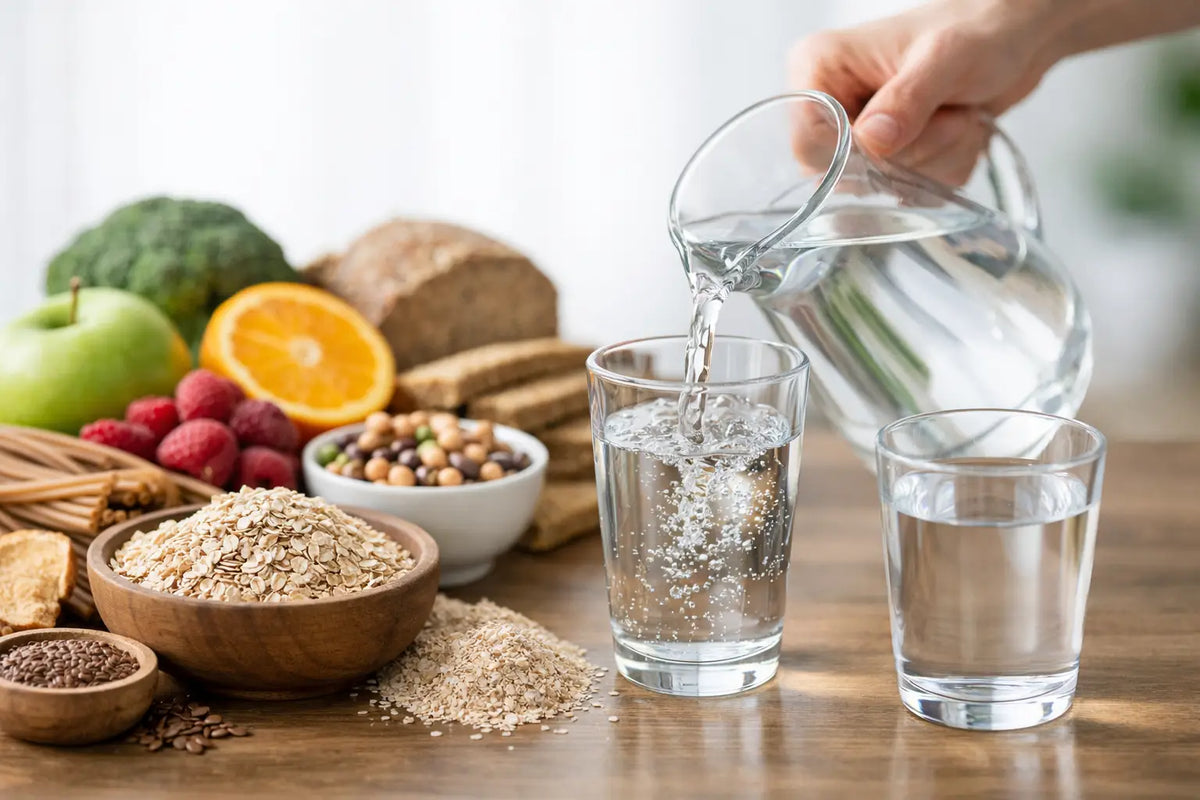
Fiber needs fluids to unleash its positive properties in the gut. Water and unsweetened tea are the easiest choices. How much you need depends, among other things, on your height, activity level, temperature, and diet. As a routine, it helps to: Have a glass ready with every meal and consciously drink along when consuming more fiber.
How a meal is eaten also plays a role. Eating very quickly, working while eating, and constant snacking can make it harder to perceive hunger, satiety, and individual tolerance. Not every meal has to be slowed down. But ten quiet minutes without a screen can make a noticeable difference, especially for sensitive digestion.
What Unnecessarily Stresses the Gut Barrier
There is no diet that prevents every strain. The body can handle many fluctuations. Problems are more likely to arise when several factors consistently combine: little plant diversity, high alcohol consumption, chronic sleep deprivation, severe stress, and highly processed foods as a standard.
Alcohol can irritate the intestinal lining and should not be normalized as a daily companion. With highly processed foods, the total amount also matters. A ready-made meal is not a health drama. However, if it regularly displaces fresh, fiber-rich meals, the microbiome primarily lacks the nutrients it needs.
Stress deserves a separate look. The gut and brain are in close communication via the gut-brain axis. Stress does not automatically cause a damaged gut barrier but can exacerbate symptoms like abdominal pain, diarrhea, or constipation. Exercise, sleep, social contacts, and real breaks are therefore not wellness decorations but part of a gut-friendly routine.
A Realistic Ritual for Busy Days
The best strategy is one that works even on a Monday with meetings. Don't start with ten new rules, but with a clear ritual: a fiber-rich breakfast or a glass of water with your fiber routine. Link it to something that already happens – making coffee, brushing your teeth, or opening your laptop.
Also, plan not just meals, but options. Frozen vegetables, chickpeas in a jar, oatmeal, whole-grain crispbread, and nuts make it easier to incorporate plant variety even when time is short. Convenience can be very gut-friendly if it brings you closer to regular fiber intake.
Observe changes with patience. Digestion does not always react linearly: cycle, travel, sleep, and stress all influence it. Instead of looking for a perfect result daily, pay attention to patterns in bowel movements, satiety, energy, and tolerance for two to four weeks.
When Medical Advice is Appropriate
New or persistent symptoms should not be treated with dietary tips alone. Blood in the stool, unintentional weight loss, severe or increasing pain, fever, nocturnal symptoms, persistent diarrhea, or a significant change in bowel habits should be medically evaluated. This also applies if you already have a chronic bowel disease, irritable bowel syndrome, or food intolerances and wish to change your diet.
In certain diseases or acute phases, a high amount of fiber may temporarily not be suitable. Here, an individual medical recommendation, not a general guide, is decisive. Good gut health also means taking your body's signals seriously.
Your gut barrier does not need a radical cure. It benefits from what often looks unspectacular in the long term: more plant diversity, sufficient fiber, enough fluids, and a ritual that you can truly maintain. That's where prevention begins – not perfectly, but daily achievable.