Those who are already thinking about an afternoon snack during lunch are usually not looking for a quick diet idea, but for more control over their daily lives. The question weight loss injection or fiber supplement? therefore sounds logical. However, it compares two approaches that serve entirely different purposes: a prescription medication for specific medical situations and a dietary routine that can close a common nutritional gap.
The right decision is not an either-or for everyone. It depends on whether there is medically relevant obesity, what pre-existing conditions there are, what eating habits look like, and what the primary goal is. Those who make realistic decisions avoid two common mistakes: overestimating fiber as a weight loss medication or seeing an injection as a substitute for long-term habits.
Weight loss injection or fiber supplement: the key difference
The term "weight loss injection" usually refers to medications that target gut hormones like GLP-1, sometimes also other receptors. They can reduce appetite, slow stomach emptying, and influence blood sugar regulation. With the right medical indication, they can be an effective treatment option – especially for obesity or certain co-morbidities.
A fiber supplement works differently. Soluble fibers bind water, can change the consistency of food in the gastrointestinal tract, and are partially fermented by gut bacteria in the large intestine. This can support satiety, regulate digestion, and contribute to a more balanced blood sugar response after eating. It is not a medication and does not replace one.
This is more than a formal distinction. A weight loss injection requires medical supervision, including education about benefits, side effects, contraindications, and the long-term strategy. A high-quality fiber supplement, on the other hand, is a low-threshold component for people who want to meaningfully supplement their daily diet.
When a weight loss injection can be medically appropriate
Weight is not purely a matter of willpower. Sleep, stress, medication, hormonal factors, genetics, mental health, and social environment all influence it. In cases of severe obesity, it may therefore be sensible not to reduce treatment to calorie counting and exhortations to persevere.
A medically prescribed therapy may be considered if there is relevant overweight with health risks, or if diseases such as type 2 diabetes, high blood pressure, or sleep apnea already exist. Which therapy is appropriate is clarified by a doctor based on the individual situation. Even with a BMI in the normal range or a desire to lose a few kilos for a specific clothing size, weight loss injections are not the appropriate lifestyle shortcut.
A well-founded decision also includes the downside: common side effects can be nausea, bloating, constipation, or diarrhea. Not everyone tolerates the therapy equally well, and not every pre-existing condition allows it. Furthermore, the question remains what happens after discontinuation. If eating, exercise, sleep, and regular meals were never part of the plan, the weight can increase again.
Medications can create a valuable window: less intense hunger, better manageability, more room for new routines. However, this window needs a plan that goes beyond it.
What fiber does for satiety and metabolism
The German Nutrition Society recommends adults consume at least 30 grams of fiber per day. Many people do not consistently reach this value. This is understandable: a rushed breakfast, lunch between meetings, and a quick dinner often mean whole grains, legumes, vegetables, fruits, nuts, and seeds fall short.
Soluble fibers can address precisely this. With sufficient fluid, they form a more viscous structure in the digestive tract. This can contribute to meals providing longer-lasting satiety and blood sugar rising less abruptly after carbohydrate-rich meals. In the large intestine, short-chain fatty acids are produced during fermentation, which are relevant for the gut barrier and metabolism.
This does not mean that a fiber drink guarantees an end to cravings or makes fat disappear overnight. Satiety is an interplay of meal size, protein, fiber, sleep, stress, and habit. However, those who previously ate a very low-fiber diet often feel that meals become more structured and digestive regularity becomes more reliable.
Especially for people with a normal or slightly elevated weight, this can be a sensible first lever. Not because fiber simulates a diet, but because it improves the quality of daily nutrition – without complicated rules.
The advantage lies in repetition
The best solution is rarely the most spectacular. What matters is what you can sustain even on a busy Tuesday. Flavorless, soluble fibers, for example, can be integrated into coffee, smoothies, yogurt, porridge, soups, or baking recipes. This turns an abstract health goal into a small ritual.
A blend of different soluble fibers can be more practical than trying to eat perfectly every day. Innerpure Clear Fiber Blend is designed precisely for this gap: as an uncomplicated supplement that fits into drinks and meals. It doesn't replace vegetables, whole grains, and legumes – but it makes a consistently higher fiber intake easier in real everyday life.
For whom is which approach suitable?
If your primary goal is to feel fuller throughout the workday, support digestion, and snack less impulsively, a higher-fiber diet with a supplement is often a good, low-risk start. Supplement this with a protein source per meal, drink enough fluids, and eat as regularly as possible. This foundation also helps even if weight is not your main concern right now.
If you have significant overweight, repeatedly fail at weight reduction, or already have metabolic diseases, a medical consultation is the right next step. In such cases, a weight loss injection can be part of the solution. A fiber supplement can support the therapy, for example, by making nutrition more structured. Whether and how it fits should be individually clarified in cases of severe gastrointestinal discomfort, chronic bowel diseases, or multiple medications.
By the way, those who use an injection do not automatically need less fiber. With reduced appetite, the nutrient density of smaller meals becomes particularly relevant. At the same time, fiber can initially worsen feelings of fullness or digestive discomfort in some people. Here, the rule is: start slowly instead of maximizing the dose.
How to integrate fiber without abdominal stress
The most common mistake is starting too quickly. The gut needs time to get used to more fermentable substrates. Start with a small amount, gradually increase it over several days, and consistently ensure adequate fluid intake. A large glass of water with the supplement is not a detail, but part of its effect.
When taking medications, plan a time interval, as fiber can affect the absorption of certain active ingredients. In case of persistent pain, severe bloating, blood in the stool, unexplained weight loss, or new, pronounced symptoms, the cause should be medically clarified – not covered up with supplements.
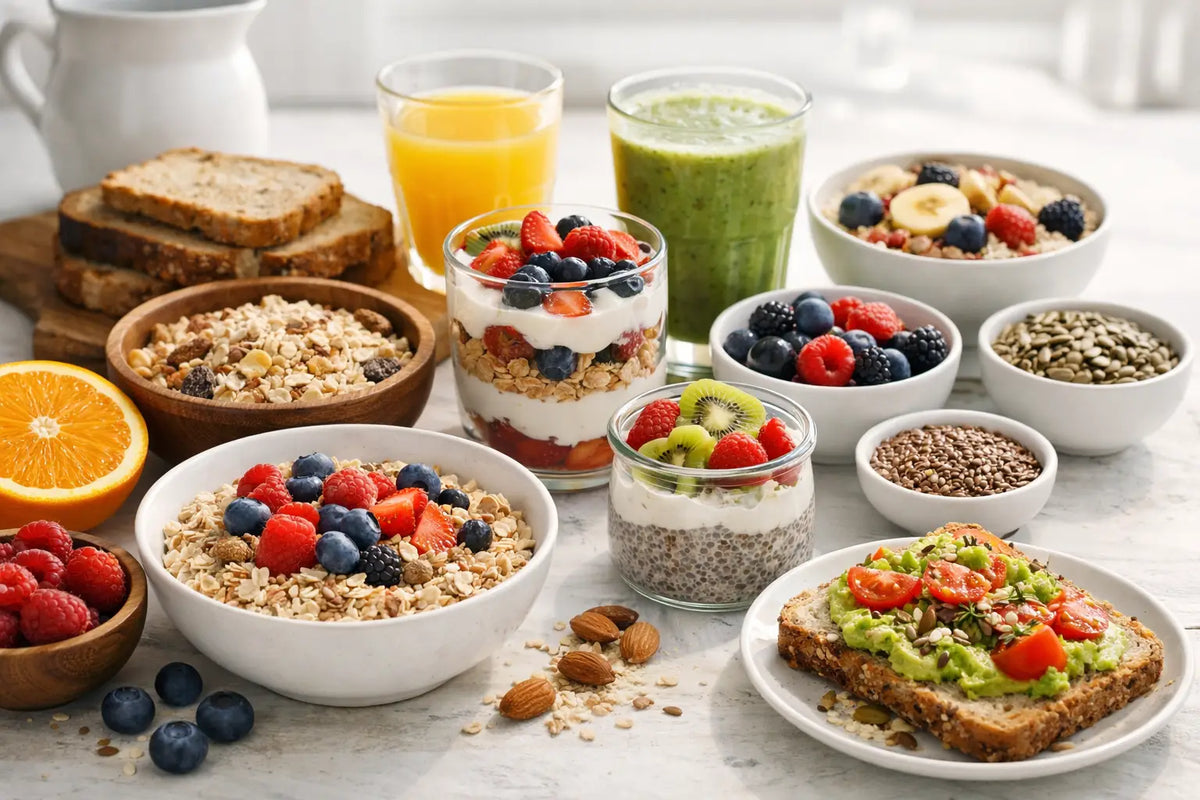
The meal itself also counts. A sweet pastry does not become a balanced breakfast just because it contains fiber. It's better to combine it with protein and natural, minimally processed foods: yogurt with berries and oats, whole-grain bread with egg and vegetables, or a warm dish with beans, lentils, or chickpeas. This creates satiety that doesn't depend on a single product.
Not the quickest solution, but the most suitable one
A weight loss injection can be medically very useful. A fiber supplement can complement an effective daily dietary routine. Playing one against the other does not do justice to reality.
The better question is: What does your body and your daily life really need right now? Sometimes it's a medical treatment with professional support. Often, however, sustainable change begins much more unspectacularly – with a glass of water, a more fiber-rich meal, and a routine that works even when the calendar is full.